Reiki and Craniosacral Therapy: Holistic Healing Benefits

Holistic healing practices have gained significant popularity in recent years, as more individuals seek natural and comprehensive approaches to wellness. Among these practices, Reiki and Craniosacral Therapy stand out for their unique methodologies and profound benefits. This blog post will explore the principles, techniques, and advantages of both therapies, providing insights into how they can enhance physical, emotional, and spiritual well-being.

Understanding Reiki
What is Reiki?
Reiki is a Japanese healing technique that promotes relaxation and stress reduction through gentle touch. The term "Reiki" translates to "universal life energy," which reflects the belief that this energy flows through all living things. Practitioners use their hands to channel this energy, helping to restore balance and harmony within the body.
How Does Reiki Work?
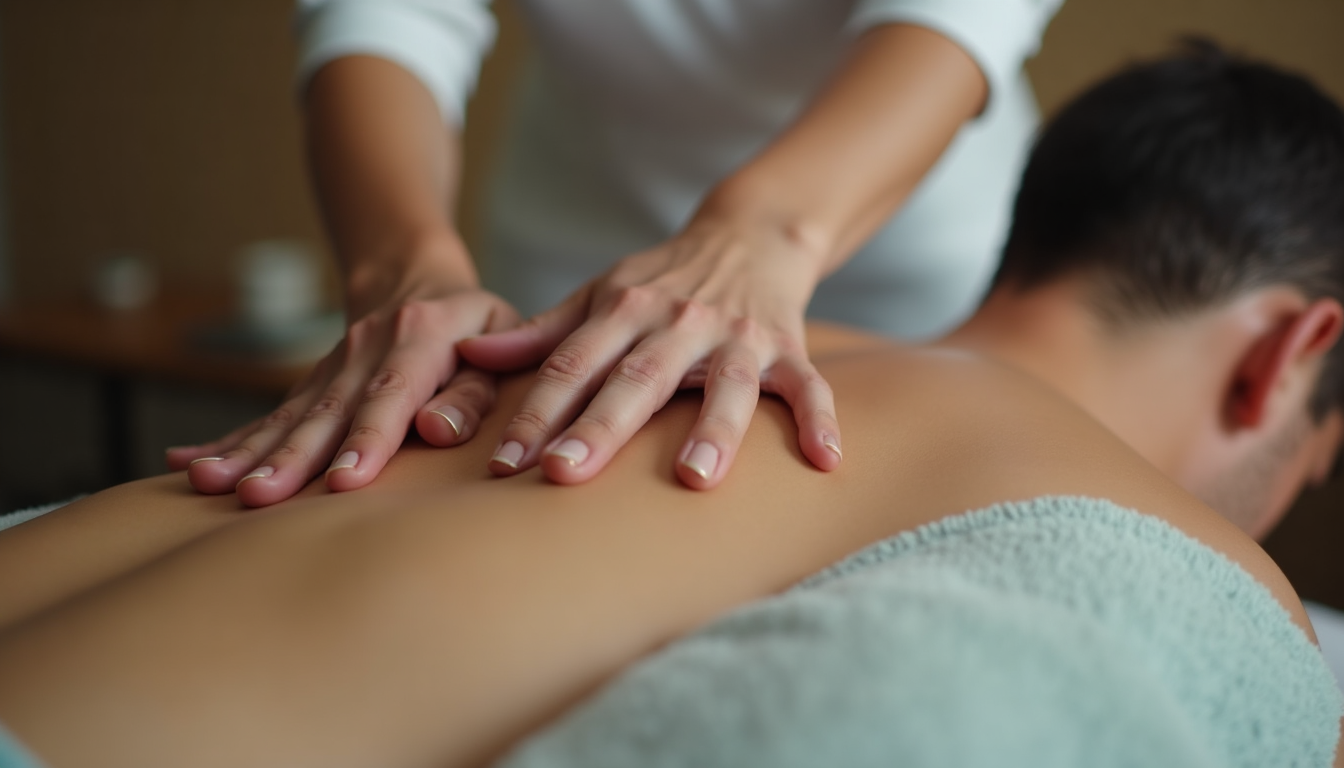
Reiki operates on the principle that energy can be transferred from the practitioner to the recipient. During a session, the recipient lies down fully clothed while the practitioner lightly places their hands on or near the body. This process aims to clear blockages in the energy field, allowing for improved energy flow and healing.
Benefits of Reiki
Stress Reduction: One of the most significant benefits of Reiki is its ability to induce deep relaxation. Many individuals report feeling a profound sense of calm during and after a session.
Pain Relief: Reiki can help alleviate various types of pain, including chronic pain conditions. By promoting relaxation and reducing stress, it can enhance the body’s natural healing processes.
Emotional Healing: Reiki is known to help individuals process emotions and release negative energy. This can lead to improved emotional well-being and a greater sense of peace.
Enhanced Sleep: Many people find that Reiki helps them achieve better sleep quality. The relaxation induced during sessions can lead to a more restful night.
Support for Medical Treatments: Reiki can complement traditional medical treatments by reducing anxiety and enhancing the overall healing experience.
Exploring Craniosacral Therapy
What is Craniosacral Therapy?
Craniosacral Therapy (CST) is a gentle, hands-on approach that focuses on the craniosacral system, which includes the membranes and cerebrospinal fluid surrounding the brain and spinal cord. Developed by Dr. John Upledger in the 1970s, CST aims to enhance the body’s natural healing capabilities.
How Does Craniosacral Therapy Work?
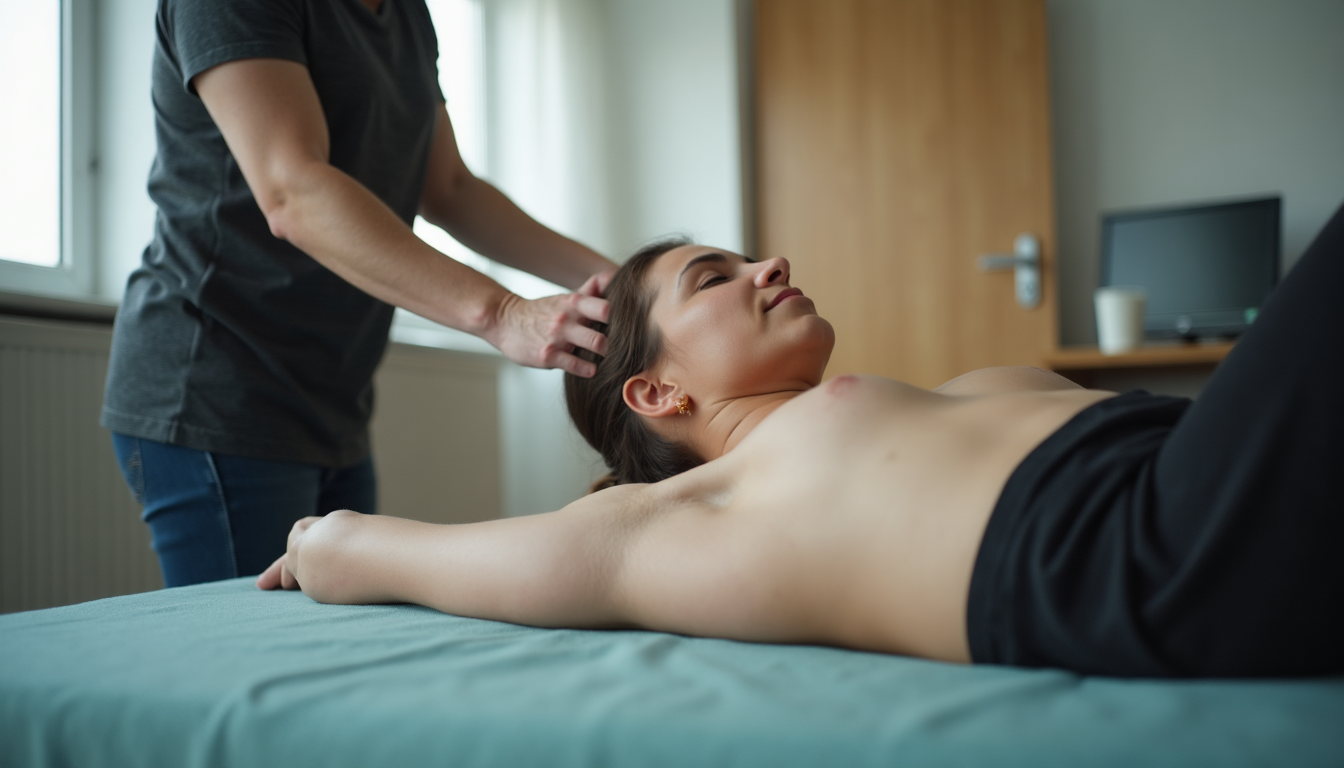
During a CST session, the practitioner uses light touch to assess the craniosacral system's rhythm and movement. By gently manipulating the skull, spine, and pelvis, the therapist helps release tension and restrictions, promoting overall health and well-being.
Benefits of Craniosacral Therapy
Relief from Headaches and Migraines: Many individuals experience significant relief from chronic headaches and migraines through CST, as it addresses underlying tension and restrictions.
Improved Nervous System Function: CST can help regulate the nervous system, leading to improved overall health and resilience to stress.
Enhanced Mobility: By releasing tension in the body, CST can improve mobility and flexibility, making it beneficial for athletes and those recovering from injuries.
Emotional Release: Similar to Reiki, CST can facilitate emotional healing by helping individuals release stored emotions and trauma.
Support for Chronic Conditions: CST has been shown to be beneficial for various chronic conditions, including fibromyalgia, chronic fatigue syndrome, and post-traumatic stress disorder (PTSD).
Comparing Reiki and Craniosacral Therapy
While both Reiki and Craniosacral Therapy share a focus on energy and healing, they differ in their approaches and techniques.
Key Differences
Technique: Reiki involves channeling energy through touch, while CST focuses on manipulating the craniosacral system.
Focus: Reiki addresses the overall energy flow in the body, whereas CST specifically targets the craniosacral system and its impact on the nervous system.
Session Experience: Reiki sessions often involve a broader range of touch, while CST is characterized by gentle, precise movements.
Similarities
Holistic Approach: Both therapies emphasize the connection between mind, body, and spirit, promoting overall well-being.
Relaxation and Stress Relief: Each therapy is effective in reducing stress and promoting relaxation, making them valuable tools for self-care.
Complementary Practices: Reiki and CST can be used together or alongside traditional medical treatments for enhanced healing.
Integrating Reiki and Craniosacral Therapy into Your Wellness Routine
Finding a Practitioner
When considering Reiki or Craniosacral Therapy, it’s essential to find a qualified practitioner. Look for individuals who have received proper training and certification in their respective fields. Reading reviews and seeking recommendations can also help you find a practitioner who aligns with your needs.
What to Expect During a Session
Both therapies typically involve a calm and serene environment. During a session, you can expect:
Comfortable Setting: Practitioners often create a peaceful atmosphere with soft lighting and calming music.
Gentle Touch: Both therapies involve light touch, allowing you to relax and focus on your experience.
Open Communication: Practitioners will often encourage you to share your feelings and experiences during the session.
Frequency of Sessions
The frequency of sessions can vary based on individual needs and goals. Some people may benefit from weekly sessions, while others may find monthly visits sufficient. It’s essential to listen to your body and consult with your practitioner to determine the best schedule for you.
Personal Experiences and Testimonials
Many individuals have shared their positive experiences with Reiki and Craniosacral Therapy. Here are a few testimonials that highlight the benefits of these holistic practices:
Sarah, 32: "After just a few Reiki sessions, I noticed a significant reduction in my anxiety levels. I feel more balanced and at peace with myself."
James, 45: "Craniosacral Therapy helped me recover from a sports injury faster than I expected. The gentle touch and focus on my craniosacral system made a noticeable difference."
Emily, 28: "I started combining Reiki with my regular therapy sessions, and it has transformed my emotional healing journey. I feel lighter and more in control of my emotions."
Conclusion
Reiki and Craniosacral Therapy offer unique and powerful benefits for those seeking holistic healing. By promoting relaxation, reducing stress, and supporting emotional well-being, these therapies can enhance your overall quality of life. Whether you choose one or both practices, integrating them into your wellness routine can lead to profound changes in your physical, emotional, and spiritual health.
As you explore these therapies, remember to approach them with an open mind and heart. Consider scheduling a session with a qualified practitioner to experience the benefits firsthand. Your journey toward holistic healing awaits!
Comments