Understanding Neurokinetic Therapy for Pain Management

Pain can be a debilitating experience, affecting not just physical health but also emotional well-being. Traditional pain management techniques often focus on medication or surgery, but there is a growing interest in alternative therapies. One such method gaining traction is Neurokinetic Therapy (NKT). This blog post will explore what NKT is, how it works, and its potential benefits for pain management.

What is Neurokinetic Therapy?
Neurokinetic Therapy is a manual therapy technique developed by David Weinstock. It is based on the principles of muscle testing and the understanding of how the brain coordinates movement. NKT aims to identify and correct dysfunctional movement patterns that can lead to pain and injury.
The Science Behind NKT
At its core, NKT operates on the premise that the brain controls muscle function and movement. When there is an injury or dysfunction, the brain may create compensatory patterns to protect the affected area. These compensations can lead to further imbalances and pain. NKT uses muscle testing to assess these patterns and retrain the brain to restore proper movement.
Key Principles of NKT
Muscle Testing: NKT practitioners use manual muscle testing to identify weak or inhibited muscles. This helps pinpoint areas of dysfunction.
Movement Patterns: The therapy focuses on understanding how different muscles work together during movement. By identifying faulty patterns, practitioners can address the root cause of pain.
Retraining the Brain: NKT aims to reprogram the brain's response to movement. This is achieved through specific exercises and techniques that promote proper muscle activation.
How Does NKT Work?
The process of Neurokinetic Therapy typically involves several steps:
Initial Assessment
During the first session, the therapist conducts a thorough assessment. This includes:
Medical History: Understanding the patient's background and previous injuries.
Movement Analysis: Observing how the patient moves and identifying any compensatory patterns.
Muscle Testing: Evaluating muscle strength and function to identify weaknesses.
Treatment Plan
Based on the assessment, the therapist develops a personalized treatment plan. This may include:
Manual Techniques: Hands-on manipulation to release tension in tight muscles.
Exercises: Specific movements designed to strengthen weak muscles and improve coordination.
Education: Teaching patients about their bodies and how to maintain proper movement patterns.
Follow-Up Sessions
NKT is not a one-time treatment. Follow-up sessions are essential to monitor progress and make necessary adjustments to the treatment plan. Patients are encouraged to practice exercises at home to reinforce the changes made during therapy.
Benefits of Neurokinetic Therapy
Neurokinetic Therapy offers several potential benefits for pain management:
Pain Relief
Many patients report significant pain relief after just a few sessions of NKT. By addressing the underlying causes of pain rather than just the symptoms, NKT can lead to lasting improvements.
Improved Mobility
As dysfunctional movement patterns are corrected, patients often experience improved range of motion and mobility. This can enhance overall quality of life and make daily activities easier.
Enhanced Performance
For athletes and active individuals, NKT can help improve performance by optimizing movement patterns. This can lead to better strength, endurance, and reduced risk of injury.
Holistic Approach
NKT takes a holistic view of the body, considering the interconnectedness of muscles and movement. This approach can lead to a deeper understanding of one's body and how to care for it.
Who Can Benefit from NKT?
Neurokinetic Therapy can be beneficial for a wide range of individuals, including:
Chronic Pain Sufferers: Those dealing with persistent pain conditions may find relief through NKT.
Athletes: Athletes looking to enhance performance and prevent injuries can benefit from improved movement patterns.
Rehabilitation Patients: Individuals recovering from injuries or surgeries may find NKT helpful in their rehabilitation process.
Anyone Seeking Better Movement: Even those without specific pain issues can benefit from improved mobility and movement efficiency.
What to Expect During an NKT Session
If you're considering Neurokinetic Therapy, here's what you can expect during a typical session:
Comfortable Environment
Sessions are usually conducted in a calm and comfortable setting. The therapist will ensure you feel at ease before starting.
Detailed Assessment
The therapist will begin with a thorough assessment, including muscle testing and movement analysis. This helps identify specific areas of concern.
Hands-On Treatment
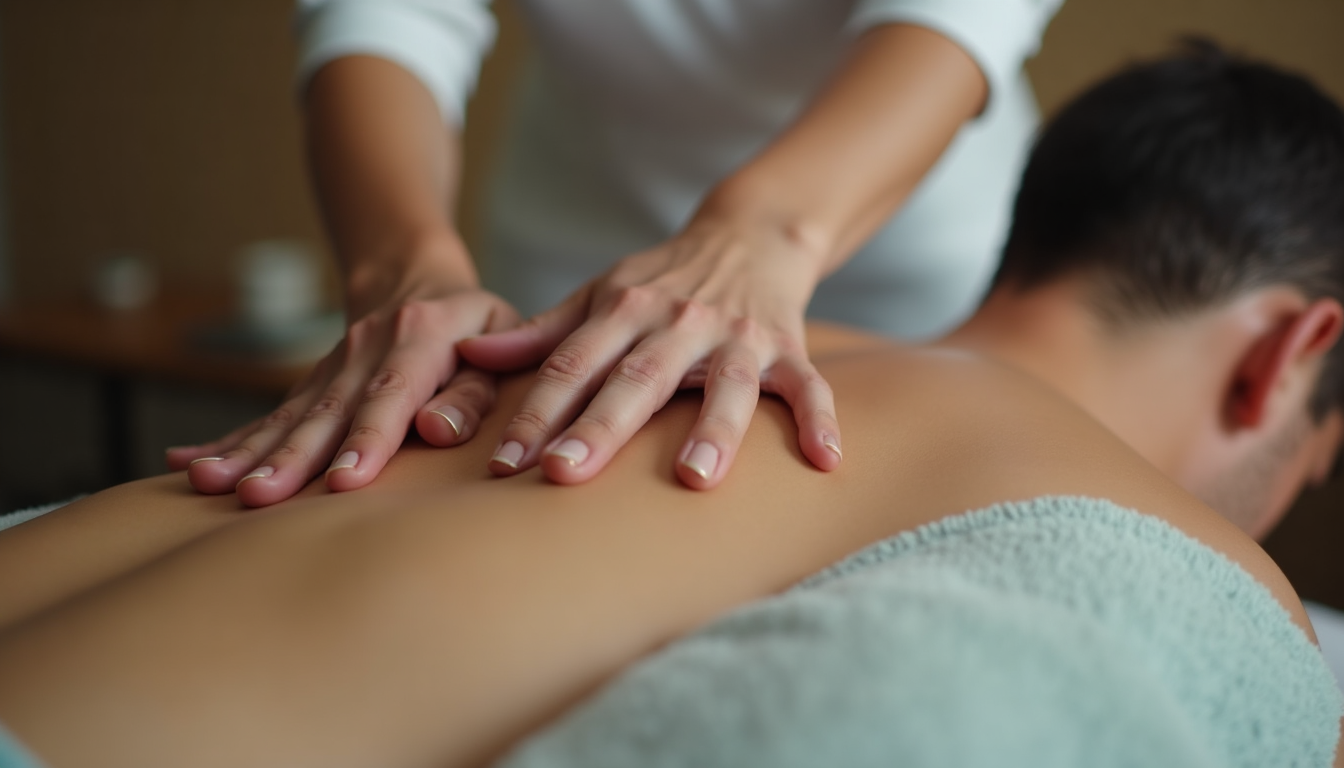
The therapist will use manual techniques to address tight muscles and improve mobility. You may also be guided through specific exercises tailored to your needs.
Education and Empowerment
A key aspect of NKT is educating patients about their bodies. You'll learn about proper movement patterns and how to maintain them in daily life.
Success Stories
Many individuals have found success with Neurokinetic Therapy. Here are a few examples:
Case Study 1: A 35-year-old runner experienced chronic knee pain that limited her training. After several NKT sessions, she reported a significant reduction in pain and was able to return to running without discomfort.
Case Study 2: A 50-year-old office worker suffered from persistent back pain due to poor posture. Through NKT, he learned to correct his posture and strengthen weak muscles, leading to improved comfort at work.
Conclusion
Neurokinetic Therapy offers a unique approach to pain management by addressing the root causes of dysfunction. By retraining the brain and correcting movement patterns, individuals can experience significant pain relief and improved mobility. Whether you're an athlete, recovering from an injury, or simply seeking better movement, NKT may be a valuable tool in your pain management journey.
If you're interested in exploring Neurokinetic Therapy, consider reaching out to a certified practitioner in your area. Taking the first step towards understanding your body and improving your movement can lead to a healthier, pain-free life.

Comments